Woah things are changing!
Recent federal updates to hemp-related regulations have sparked a lot of questions; what’s changing, how hemp is different from cannabis, and whether Missouri’s regulated cannabis market could be affected. Below, we’ll walk through the basics, explain what’s actually being updated, and what it could mean for consumers and businesses alike.
So, what happened?
On November 12, 2025, Congress and the President passed a full-year FY2026 Agriculture appropriations act. In plain terms, this law gives federal agencies the funding and authority to begin formally regulating certain hemp products nationwide. This marks the start of a broader effort to bring oversight to hemp-derived THC and cannabinoid products across the U.S.
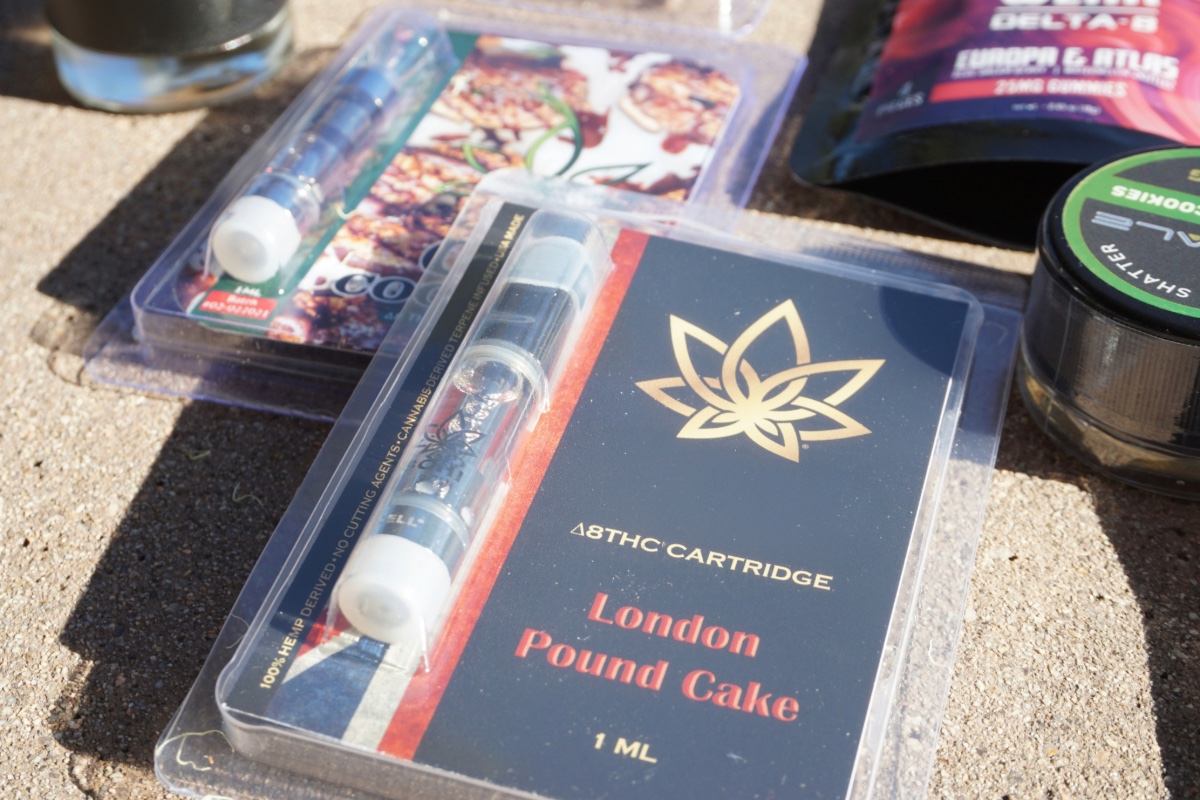
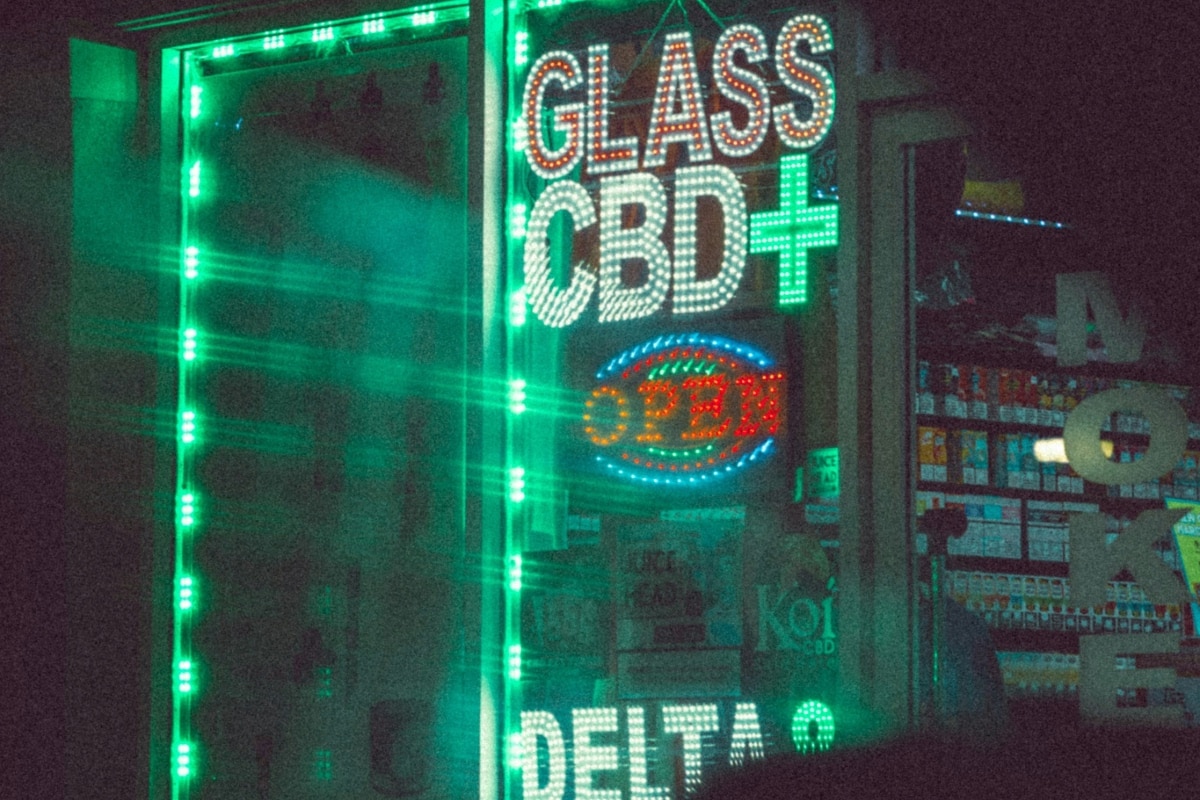
Back in 2018, the Farm Bill removed hemp from the federal definition of marijuana and set a legal limit of 0.3% delta-9 THC. Because of that, many hemp-derived products were able to exist outside traditional cannabis regulations. This new change tightens that framework and limits how that loophole can be used. As a result, many hemp-derived products, especially those commonly sold in gas stations and smoke shops, could soon be restricted or removed from shelves in Missouri and beyond.
What's next?
While these changes don’t mean an immediate nationwide ban on hemp-derived products, they do signal a shift toward tighter oversight and clearer federal standards. In the coming months, we may see agencies like the Food and Drug Administration and the U.S. Department of Agriculture take a more active role in defining how hemp-derived cannabinoids can be produced, tested, marketed, and sold. This could include stricter limits on intoxicating products, clearer labeling and testing requirements, and potential restrictions on where these products can be sold. For consumers, this may mean fewer unregulated products on the market but also greater consistency, transparency, and safety moving forward.
What this means for Missouri
In Missouri, these federal shifts align closely with ongoing efforts by the MoCann Trade Association to address what’s often referred to as the “hemp hoax” — the widespread sale of intoxicating hemp-derived products that closely mimic regulated cannabis or food products but operate outside the state’s licensed system. MoCann and other industry advocates have long raised concerns about consumer safety, inconsistent testing, and unfair competition created by unregulated products sold in gas stations and smoke shops. As federal agencies move toward clearer oversight, Missouri regulators may gain stronger footing to limit or remove these products from the market, reinforcing the state’s existing cannabis framework and prioritizing transparency, compliance, and consumer protection.
Hemp-derived vs Cannabis-derived THC
Hemp
Hemp is a variety of the cannabis plant traditionally grown for industrial and commercial purposes. It is legally distinct from marijuana because it contains very low levels of tetrahydrocannabinol (THC). Hemp has long been used to produce materials like textiles, paper, building supplies, biofuels, and food products such as hemp seeds and hemp seed oil.
Cannabis
Cannabis, often referred to as marijuana, pot, or weed, is a plant that contains compounds like THC and CBD. THC is responsible for the intoxicating effects associated with cannabis, while CBD does not produce a high. Cannabis has a long history of use and is commonly consumed through smoking, edibles, or extracts, with laws and regulations differing widely around the world.
Want to know more? Check out our Blog!

How to Spot Unlicensed Cannabis Shops Posing as Dispensaries
How to Spot Unlicensed Cannabis Shops Posing as Dispensaries Missouri’s cannabis market is thriving, but not every store advertising “THC” or “dispensary” is actually licensed.
What the New Farm Bill Actually Means
What the New Farm Bill Actually Means The recent federal Farm Bill update, signed into law on November 12, 2025, changes how hemp-derived THC products