Categories
Cannabis Education

Cannabis and Chronic Pain

Cannabis and Chronic Pain

There are millions of people worldwide that experience some kind of chronic pain in their daily lives. This impacts their quality of life and ability to function everyday. 

More traditional treatments such as opioids can provide relief for some but they may also come with unwanted side effects and risks of dependency. Because of this, many people are turning to more natural remedies like cannabis for their pain relief.

Cannabis has been widely studied for its potential effects on chronic pain management, and research suggests that it may offer relief for individuals suffering from all different types of chronic pain conditions.

What is Chronic Pain

Chronic pain is defined as persistent or recurrent pain that lasts longer than three to six months. It’s often a result of underlying medical conditions such as arthritis, fibromyalgia, neuropathy, or injuries. Chronic pain can significantly impact physical and mental well-being, leading to decreased mobility, sleep disturbances, mood changes, and reduced quality of life.

How Cannabis Can Help

Cannabis has a long history of use as a medicinal plant, with anecdotal reports dating back thousands of years. 

More recently, scientific research has begun to uncover the therapeutic potential of cannabis, particularly in cannabinoids like THC and CBD, in managing chronic pain. These cannabinoids interact with the body’s endocannabinoid system, which plays a crucial role in regulating pain perception, inflammation, and other physiological processes.

Here are just a couple of the ways that cannabis can help with different types of chronic pain and its symptoms.

General Pain Relief

One of the most well-known effects of cannabis is its analgesic, or pain-relieving, properties. The cannabinoids like THC and CBD are two compounds that can really help to alleviate pain and make the user more comfortable. 

THC acts on cannabinoid receptors in the brain and spinal cord to reduce pain signals, while CBD may modulate pain perception through its effects on other neurotransmitter systems.

Anti-Inflammatory Effects

Chronic pain is often associated with inflammation, and cannabis is shown to have anti-inflammatory properties in a number of  studies. 

Cannabinoids like CBD have been shown to reduce inflammation by inhibiting the release of pro-inflammatory cytokines and other mediators of inflammation.

Neuropathic Pain Relief

Cannabis has been reported to be particularly effective in relieving neuropathic pain, which is caused by damage or dysfunction of the nervous system.

Both THC and CBD have been shown to affect pain signaling pathways in the central nervous system, making them potentially beneficial for neuropathic pain conditions such as diabetic neuropathy, multiple sclerosis (MS), and nerve damage due to injury or surgery.

Muscle Relaxation

It has also been reported that cannabis has muscle-relaxant properties, which may help alleviate muscle spasms and tension associated with chronic pain conditions such as fibromyalgia, multiple sclerosis (MS), and chronic back pain. 

THC and CBD both have muscle-relaxing effects, which can contribute to overall pain relief and improved mobility.

Improvement in Sleep

Chronic pain often disrupts sleep patterns, leading to fatigue and exacerbating pain symptoms. Cannabis may help improve sleep quality by reducing pain, promoting relaxation, and inducing sleepiness. 

CBD and CBN, in particular, have been studied for their potential to improve sleep in individuals with chronic pain and other sleep disorders.

Mood Enhancement

Chronic pain can take a toll on mental health, leading to symptoms of anxiety, depression, and stress. Cannabis may have mood-enhancing effects, helping individuals cope with the emotional impact of chronic pain and improving overall well-being.

Note: While cannabis may offer relief for some individuals with chronic pain, it may not be effective for everyone. Speak to your doctor or health care provider before starting cannabis as a treatment for any type of condition. 

Cannabis is a great alternative option for treating chronic pain, offering potential relief for individuals suffering from a wide range of conditions. By exploring the therapeutic potential of cannabis, individuals living with chronic pain may find relief and improve their overall quality of life.

If you’re interested, we at NatureMed are always here to help you find exactly what you need. Check out our online menu to see all that we have to offer and stop by our specials page to see the ways you can save.

Categories
Cannabis Education

Common Myths about Cannabis

6 Common Myths about Cannabis

Like any controlled substance, Cannabis has a number of stigmas surrounding it. There are also quite a few myths that get perpetuated that cast cannabis and cannabis users in a poor light. 

Almost all of these myths are either not true or are blown way out of proportion. They are, at best, founded in misinformation and at worst used to perpetuate harmful stereotypes. 

Now, we’re here to set the record straight and debunk a lot of these common myths and story about Cannabis

Myth #1: Cannabis is a Gateway Drug

One of the most common things that you hear about marijuana is that it’s a gateway drug that will cause users to eventually turn to other, stronger drugs, however, that’s not entirely true. 

While there has been a noted correlation between cannabis use and other drug use, correlation does not amount to causation. There are many factors that contribute to a person’s potential drug usage and oftentimes it’s a combination of many of those factors that determine the likelihood of someone going on to use hard drugs.

Furthermore, a study published by Cambridge University in 2023, found that in states where cannabis was legalized there was not significant increase in illicit drug use, after the legalization.

Myth #2: Cannabis is Highly Addictive

While cannabis use can lead to dependence in some individuals, the overall addiction potential is lower compared to substances like nicotine or opioids. 

Similar to our previous point, there are a number of different factors that could affect an individual’s chance of becoming addicted. Many studies have found that a person’s gender, marital status, income level, genetics and more can factor into their chances of becoming addicted to marijuana. 

Additionally those factors can also increase a person’s chances of becoming addicted to other substances as well, so it’s not exclusive to cannabis. 

Myth #3: Cannabis Causes Permanent Mental Illness

While cannabis use may have an association with mental health conditions, particularly in individuals predisposed to such conditions, there is not a lot of research that shows that it causes permanent mental illness. 

There are many other factors both internal and external that can contribute to a person’s mental state and their chances of having a mental illness. 

However, it is important to note that people who are already diagnosed with a mental illness or are predisposed to one based on genetics or family history may have their illness or symptoms exacerbated by the use of cannabis. 

So in these cases it’s important to be aware of your own conditions and talk to your health care provider if you have any concerns.

Myth #4: All Cannabis Strains Are the Same

Many people believe that cannabis affects them the same regardless of the type. This way of thinking can sometimes lead to people trying it, not liking how it made them feel, and never using it again. 

However, Cannabis strains can vary widely in their cannabinoid and terpene profiles, leading to different effects. Not all strains produce the same experiences, and factors such as THC and CBD levels, terpene content, and individual tolerance contribute to the diversity of effects.

If you or someone you know had a less than great experience cannabis and you’re looking to try again, talk to your budtender. Let them know what you didn’t like and what you’re looking to feel and they should be able to give you some suggestions to help your next sesh go a little better.  

Myth #5: Cannabis Use Leads to Violence

There is no conclusive evidence linking cannabis use to an increased likelihood of violent behavior. Research generally suggests that cannabis is less likely to induce aggression compared to other substances. 

This myth tends to come from this idea that cannabis causes psychosis and psychosis causes violence, therefore cannabis use must cause violence. However, as we’ve already covered, psychosis, along with other mental illnesses are outright caused by cannabis consumption but by a myriad of factors. 

In fact, in a study funded by the Justice Department, they found that serious offenses and crime were not affected by the legalization and subsequent increased use of cannabis.

Myth #6: Cannabis Causes Lung Cancer Like Tobacco

While smoking cannabis does expose the lungs to carcinogens like tobacco smoke does, studies have not consistently shown a clear link between cannabis smoking and lung cancer. 

Furthermore, research has shown that even the most hardcore of cannabis users don’t smoke the same amount of weed as the average tobacco smoker does cigarettes 

However, if this is a concern for you or someone you know, alternative methods of consumption, such as vaporization or edibles, are generally considered to be safer for respiratory health.

While there are still a lot of myths and misconceptions about cannabis and cannabis users, the conversation is changing and increased education is working to dispel a lot of these myths.

If you still have questions or concerns about cannabis please don’t hesitate to come into NatureMed and ask, our budtenders will be more than happy to help you with whatever you need.

Categories
Cannabis Education

Cannabis in Sports

Cannabis in Sports

In recent years there has been a growing conversation surrounding cannabis use for athletes. While traditionally used for recreational purposes, cannabis is increasingly being recognized for its therapeutic properties and potential to enhance athletic performance. 

There are a number of reasons why an athlete might want to use cannabis as well as a few reasons why they can’t.

Therapeutic Benefits

Cannabis contains a number of compounds that have therapeutic properties. Cannabinoids like THC and CBD have been known to help with things like pain perception, inflammation and more. 

Many athletes report experiencing chronic pain and inflammation due to the intense training, injuries, and physical demands of their sport. Research suggests that some cannabinoids have analgesic and anti-inflammatory properties, making them effective for managing pain and promoting recovery. 

Similarly, cannabis may help athletes manage stress, anxiety, and improve sleep quality. It’s been shown that high-stress levels and inadequate sleep can negatively impact athletic performance and recovery.

Enhancing Performance and Recovery

In addition to its therapeutic effects, some athletes use cannabis to enhance their performance and recovery. While more research is needed in this area, some anecdotal evidence suggests that cannabis can help athletes enter a state of flow, improve focus, and enhance creativity.

Some athletes also report that cannabis helps to relax them prior to big games or competitions. It can help them to overcome performance anxiety and pre-competition jitters, leading to an overall better performance.

Additionally, the aforementioned anti-inflammatory properties can help to reduce muscle soreness and stiffness, allowing athletes to train harder and more frequently. This gives them more opportunities to improve at their sport and perhaps give them an edge on the competition.

Legal and Ethical Issues

Despite the potential benefits, cannabis use in sports is still considered controversial due to its legal status and concerns about fairness and ethics. 

While some sports organizations have relaxed their policies on cannabis use, others still have strict regulations and impose penalties for athletes who test positive for cannabinoids. 

For example, the World Anti-Doping Agency—who manages all of the anti-doping regulations for the Olympics—lists cannabis as prohibited substances in competition

Additionally, the legality of cannabis varies by jurisdiction, which can make it difficult for athletes who compete internationally or in states or countries where cannabis is illegal or heavily regulated. 

Some organizations will allow exceptions for medical reasons but many don’t as it’s still considered performance enhancing. Even if the exemption is allowed it may not carry over into other organizations, making it difficult for athletes to compete at the local, national and international levels.

Note: The World Anti-Doping Agency and many other organizations list Cannabidiol (CBD) as an exception to their rules on cannabis usage. Using CBD-based products, especially topicals, is a great way to get some of the benefits of cannabis without breaking any rules.


The question of the usage of cannabis in sports is definitely a complex one but it’s one that we should be willing to tackle. The benefits to athletes are undeniable and as the general culture is warming to cannabis use, so might sports culture. 

Any athletes, thinking of using cannabis either to help their performance or in their daily life should make sure that they are familiar with all of the rules and regulations of the organization that they’re competing in. 

If you find that cannabis is something that you can and want to use in your daily life as an athlete, then stop by NatureMed and we’ll make sure that you have everything you need to have you playing and feeling your best.

Check out our online menu to see what you have to offer and check out our specials page to see the ways you can save.

Categories
Cannabis Education

An Introduction to Cannabinoids

An Introduction to Cannabinoids. What are they and why are they important?

In recent years there has been an increased interest in cannabis and its potential health benefits. This interest has led more people to look into the various components of cannabis and what they can do for you. 

Some of the components that have received a lot of attention are Cannabinoids, and with good reason. Cannabinoids play a pivotal role in the therapeutic effects of cannabis, influencing everything from pain relief to mood regulation.

An Intro to Cannabinoids

Cannabinoids are chemical compounds that are naturally found in the cannabis plant. When consumed, they interact in specific ways with the body’s endocannabinoid system. This system is a network of receptors that are involved in regulating different physiological processes.

Every Cannabinoid is slightly different and interacts uniquely with your endocannabinoid system. This means that every cannabinoid has its own specific effect on the body. While some cannabinoids can be used for the same purposes they’re all going to have different variations, which is why it’s important to know exactly what these different compounds do.

The Most Common Types of Cannabinoids

There are over 100 different cannabinoids that have been identified in the cannabis plant, each of which has its own unique effects and potential benefits. However, these are the most common ones that you might encounter and what they can do.

Tetrahydrocannabinol (THC):

THC is probably the most well-known cannabinoid and is one of the psychoactive compounds found in cannabis. That psychoactivity is what is responsible for the feeling of being high. It binds to cannabinoid receptors in the brain, altering mood, perception, and cognition. 

In addition to getting you high THC can be used in a number of therapeutic ways. It’s been known to help treat both acute and chronic pain and has also been used as a muscle relaxant. People have also used it to help with nausea and as an appetite stimulant.  

Cannabidiol (CBD):

CBD is another very common cannabinoid that is found in the cannabis plant. It’s known for its therapeutic properties and is not psychoactive, meaning it won’t get you high. 

One of main things that CBD is known for is its pain relieving properties, making products that contain CBD very popular with people experiencing chronic pain. It also has anti-inflammatory, analgesic, anxiolytic, and neuroprotective properties, making it a valuable compound for various other health conditions.

Cannabigerol (CBG):

CBG is considered the precursor to other cannabinoids and is sometimes referred to as the “mother cannabinoid”. During the growing process, CBG is one of the first cannabinoids to form and as the plant continues to grow, other cannabinoids like THC and CBD are developed from it.

It’s known for its anti-inflammatory and neuroprotective properties. It’s been known to be helpful in treating diseases like Huntington’s disease and Parkinson’s disease. CBG has also been used as an appetite stimulant to help treat eating disorders and appetite loss because of chemotherapy.

Cannabinol (CBN):

While not as common as some other cannabinoids, CBN is still fairly popular. It occurs when THC is exposed to heat, light, and oxygen over time, degrading it. Because it’s originally derived from THC, CBN is mildly psychoactive.

CBN is most commonly used as a sleep aid due to its sedating properties. It has also been known to help with pain relief which makes it popular with people who have trouble sleeping due to medical conditions or persistant pain. 

Cannabichromene (CBC):

CBC is a less popular cannabinoid, mostly because it is found in smaller quantities than cannabinoids like THC and CBD. Structurally it is actually pretty similar to CBD and other cannabinoids. 

It also has anti-inflammatory and pain relieving properties like other cannabinoids but studies have shown that it may have antidepressant effects. This makes products that contain CBC potentially helpful tools in lessening the effects of depression.

Why it’s Important to Know Your Cannabinoids

Knowing about the cannabinoids that are in the products you’re consuming is going to help you to better curate your cannabis experience. You’ll be able to better understand the effects that they might have on you and as you try more products you’ll be able to catalog exactly how each cannabinoid affects you personally. You will also be able to better choose the correct product for your specific problems or needs.

Understanding the diverse effects of cannabinoids and their interactions with the body’s endocannabinoid system is essential for harnessing the full potential of cannabis as a medicinal and wellness aid.

As our understanding of cannabinoids continues to grow, so does our appreciation for all of the benefits they offer. By exploring the intricacies of cannabinoids and their interactions with our bodies, we can unlock new avenues for treatment and discovery in the fascinating world of cannabis.

If you’re looking to try out some new products featuring some of the cannabinoids mentioned here, stop by NatureMed and we’ll make sure that you find what you’re looking for. 

Check out our online menus to see everything we have to offer and check our specials page to see all the ways you can save.

Categories
Cannabis Education

Exploring the World of Cannabinoids

Exploring the World of Cannabinoids

The cannabis plant is a treasure trove of chemical compounds, with cannabinoids being at the forefront of scientific and medical interest. These compounds interact with the endocannabinoid system in the human body, influencing various physiological processes. Let’s dive into the fascinating world of cannabinoids, exploring the properties and potential benefits of CBG, CBC, CBD, THC, THCA, and CBN.

Cannabigerol (CBG): The Mother of Cannabinoids

  • CBG is often referred to as the “mother cannabinoid” because it serves as a precursor to other cannabinoids.
  • It has anti-inflammatory properties and shows potential in treating conditions like inflammatory bowel disease.
  • Preliminary research suggests CBG may have neuroprotective effects, making it a focus in studies on neurodegenerative diseases.

Cannabichromene (CBC): The Non-Psychoactive Compound

  • CBC doesn’t produce the euphoric effects associated with THC, making it a non-psychoactive cannabinoid.
  • Research indicates CBC’s potential as an anti-inflammatory, with studies exploring its application in pain management.
  • CBC may have anti-fungal and anti-bacterial properties, contributing to its potential as a therapeutic agent.

Cannabidiol (CBD): The Wellness Wonder

  • CBD has gained widespread popularity for its various potential health benefits without the psychoactive effects of THC.
  • Known for its anti-anxiety and anti-inflammatory properties, CBD is used in a range of products, including oils, creams, and edibles.
  • Research is ongoing on CBD’s potential in treating epilepsy, chronic pain, and even mental health disorders.

Tetrahydrocannabinol (THC): The High-inducing Hero

  • THC is the primary psychoactive compound in cannabis, responsible for the “high” experienced by users.
  • Medical applications include pain management, appetite stimulation (useful for conditions like AIDS-related wasting syndrome), and nausea reduction in chemotherapy patients.
  • Balancing THC with other cannabinoids can mitigate its psychoactive effects while retaining therapeutic benefits.

Tetrahydrocannabinolic Acid (THCA): The Raw Form of THC

  • THCA is the non-psychoactive precursor to THC found in raw cannabis.
  • When heated, THCA undergoes decarboxylation, converting into THC and producing psychoactive effects.
  • Some users consume THCA-rich products for potential anti-inflammatory and neuroprotective benefits without experiencing the typical THC high.

Cannabinol (CBN): The Sleepytime Cannabinoid

  • CBN is often associated with its sedative effects, potentially aiding in insomnia and sleep disorders.
  • It is a degradation product of THC, forming as THC ages and is exposed to oxygen.
  • CBN may have anti-inflammatory and anti-bacterial properties, but more research is needed to fully understand its therapeutic potential.

Conclusion

The diverse array of cannabinoids found in the cannabis plant offers a rich blend of potential health benefits. While research is ongoing, the evolving understanding of cannabinoids continues to open new doors for medical applications and wellness. Whether seeking relief from pain, inflammation, anxiety, or sleep disturbances, exploring the properties of CBG, CBC, CBD, THC, THCA, and CBN provides a fascinating journey into the potential therapeutic power of cannabinoids.

Categories
Cannabis Education

Cannabis for Nerve Pain

Cannabis & Nerve Pain

Living with nerve pain can be a daunting challenge, impacting one’s quality of life and overall well-being. Many medical patients have found success with managing their chronic nerve pain with cannabis. This blog aims to explore the relationship between cannabis and nerve pain, shedding light on the therapeutic properties of this plant and its potential role in alleviating discomfort.

Understanding Nerve Pain

Nerve pain, also known as neuropathic pain, arises from damage or dysfunction of the nervous system. Conditions such as diabetes, multiple sclerosis, and injuries can lead to nerve pain, characterized by sensations like burning, tingling, or shooting pain. Conventional treatments often include pharmaceuticals, but the side effects and limited efficacy can leave individuals searching for alternative solutions.

The Endocannabinoid System

Cannabis interacts with the body’s endocannabinoid system (ECS), a complex network of receptors, endocannabinoids, and enzymes. The ECS plays a crucial role in regulating various physiological processes, including pain perception, inflammation, and immune response. The cannabinoids found in cannabis, such as THC and CBD, mimic the body’s natural endocannabinoids and can influence the ECS.

THC and Pain Relief

THC, the psychoactive compound in cannabis, is known for its euphoric effects, but has been studied for its analgesic properties and ability to modulate pain perception. THC may help reduce nerve pain by interacting with cannabinoid receptors in the central nervous system, affecting the way pain signals are transmitted.

CBD and Anti-Inflammatory Effects

CBD, another prominent cannabinoid, does not produce a “high” and has gained attention for its anti-inflammatory and neuroprotective properties. CBD may alleviate nerve pain by reducing inflammation and preventing damage to nerve cells. Additionally, it may enhance the analgesic effects of THC without the associated psychoactive effects.

Patient Experiences and Anecdotal Evidence

Many individuals dealing with nerve pain have reported positive experiences with cannabis. While anecdotal evidence should be taken with caution, these personal accounts suggest that cannabis may offer relief when other treatments fall short. It’s essential for individuals to consult with healthcare professionals to determine the most appropriate approach for their specific condition.

Challenges and Considerations

Despite the potential benefits, the use of cannabis for nerve pain is not without challenges. Regulatory issues, dosage considerations, and individual responses to cannabinoids can vary. It’s crucial for patients to work closely with healthcare providers to navigate these challenges and find an approach that addresses their unique needs.

As research on cannabis and nerve pain continues, there is growing optimism about the plant’s therapeutic potential. While more studies are needed to establish conclusive evidence, the anecdotal success stories and initial research suggest that cannabis may play a role in managing nerve pain for some individuals. As with any treatment, it’s crucial for patients to engage in open communication with their healthcare providers to explore the potential benefits and risks of incorporating cannabis into their pain management plan.

Have you stopped by one of our five Missouri locations to see what products we offer for nerve pain relief? As a medical dispensary, we take pride in helping our patients find solutions for chronic conditions.

Categories
Cannabis Education

The History of Cannabis In the Black Community

The History of Cannabis In the Black Community

In the tapestry of Black history, woven with resilience, creativity, and unyielding strength, lies a lesser-explored thread – the profound relationship between the African American community and cannabis. As we celebrate Black History Month, let’s delve into the historical roots and significance of cannabis in the black community.

The historical roots of cannabis use in African American culture are intertwined with a complex journey of survival, resilience, and cultural identity. During the era of slavery in the United States, cannabis was introduced to black communities through the knowledge brought by enslaved individuals from Africa. Cannabis, often referred to as “marijuana” or various street names, became a staple in these communities, serving both medicinal and spiritual purposes.

In the post-slavery period, particularly during the Jazz Age and the Harlem Renaissance, cannabis took on a new significance within African American artistic and intellectual circles. Jazz musicians, poets, and artists, seeking inspiration and a means of self-expression, embraced cannabis as a tool to break free from societal constraints. The plant became a symbol of cultural resistance and a medium through which African Americans could challenge the status quo.


The War on Drugs in the latter half of the 20th century disproportionately affected black communities, leading to a surge in cannabis-related arrests and convictions. This period underscored the racial disparities in drug enforcement policies and heightened the stigma surrounding cannabis within the African American community.

Today’s Black culture is asserting its agency in shaping the narrative around cannabis, reclaiming the plant as an integral part of self-expression, community, and empowerment. As cannabis continues to shed its historical stigma, it has become a canvas upon which contemporary Black culture paints a narrative of resilience, celebration, and a commitment to fostering positive change.

Despite many challenges, cannabis has persisted as an element of cultural unity and resistance in the black community. In recent years, as cannabis legalization efforts gain momentum, there is a growing movement within the African American community to reclaim and destigmatize the plant. Through acknowledging and understanding the historical roots of cannabis use, there is an opportunity to celebrate its cultural significance while advocating for equity and justice in the evolving landscape of cannabis legalization.

Categories
Cannabis Education

Different Types of Cannabis Flower

Different Types of Cannabis Flower

Cannabis comes in many forms, each with its own unique characteristics. We’ll delve into the fascinating world of cannabis flower, exploring the differences between popcorn, shake, and buds. Understanding these distinctions can enhance your experience and help you make informed choices.

Buds

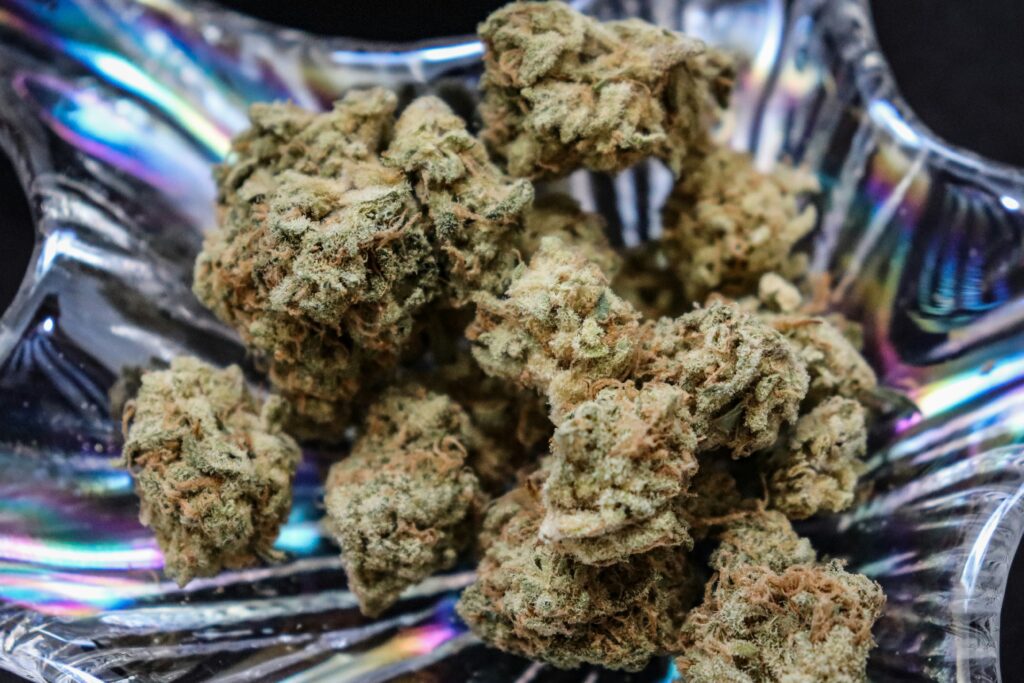
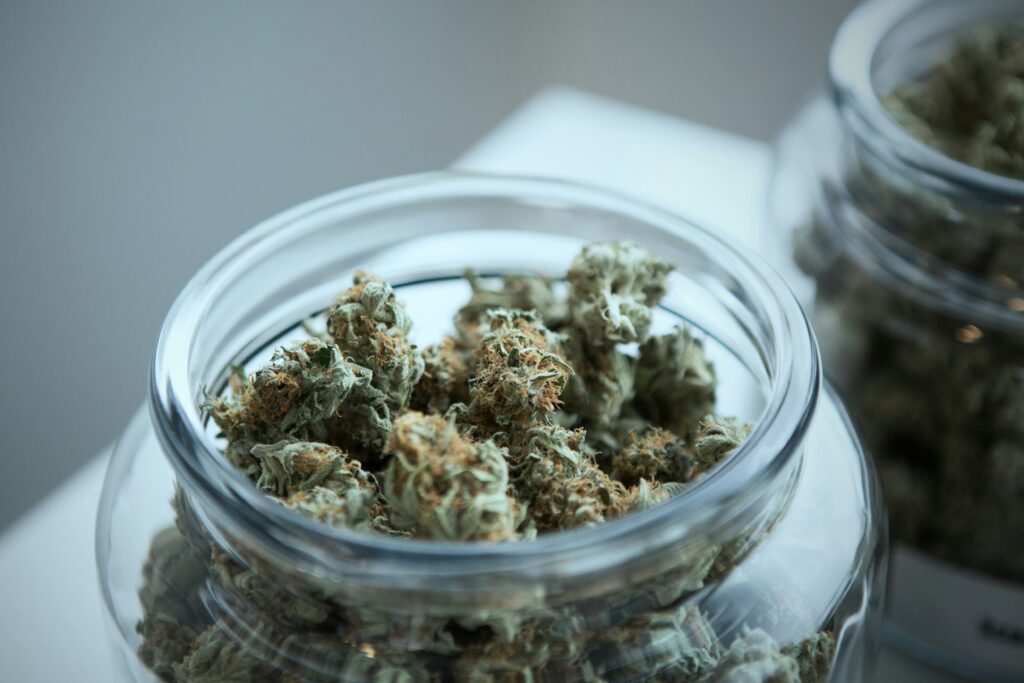
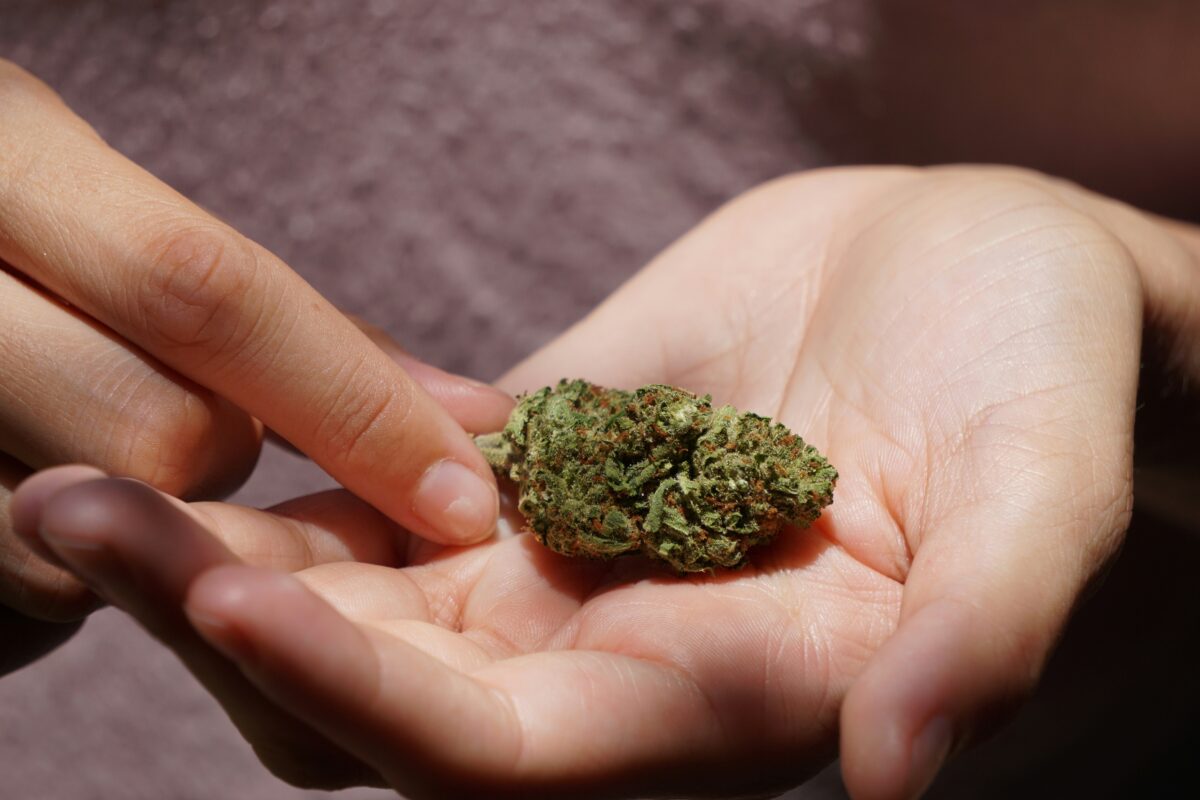
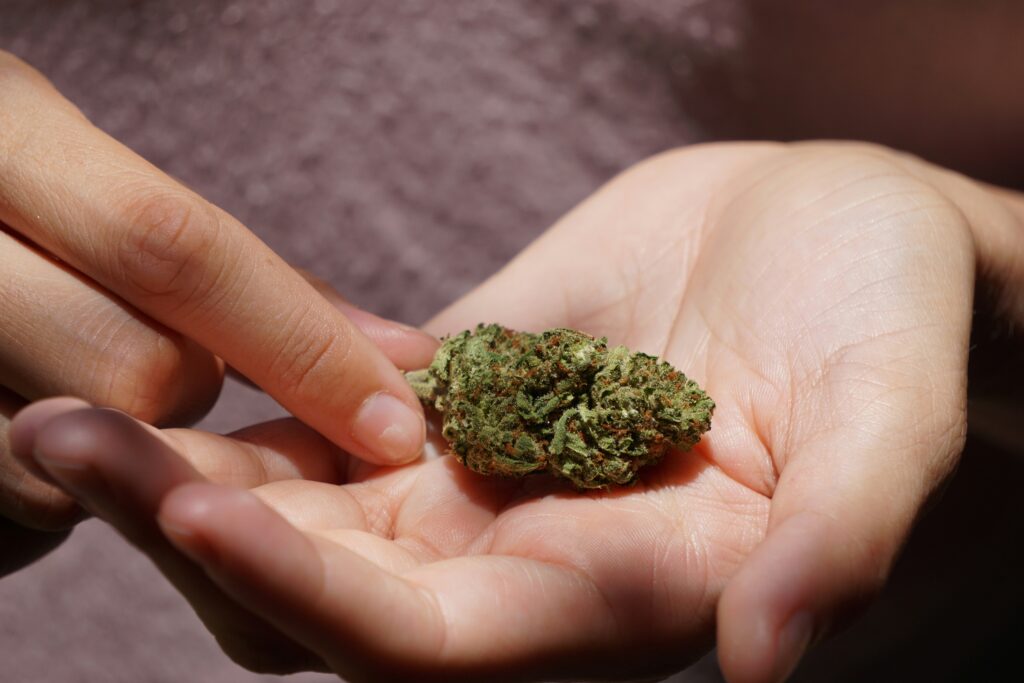
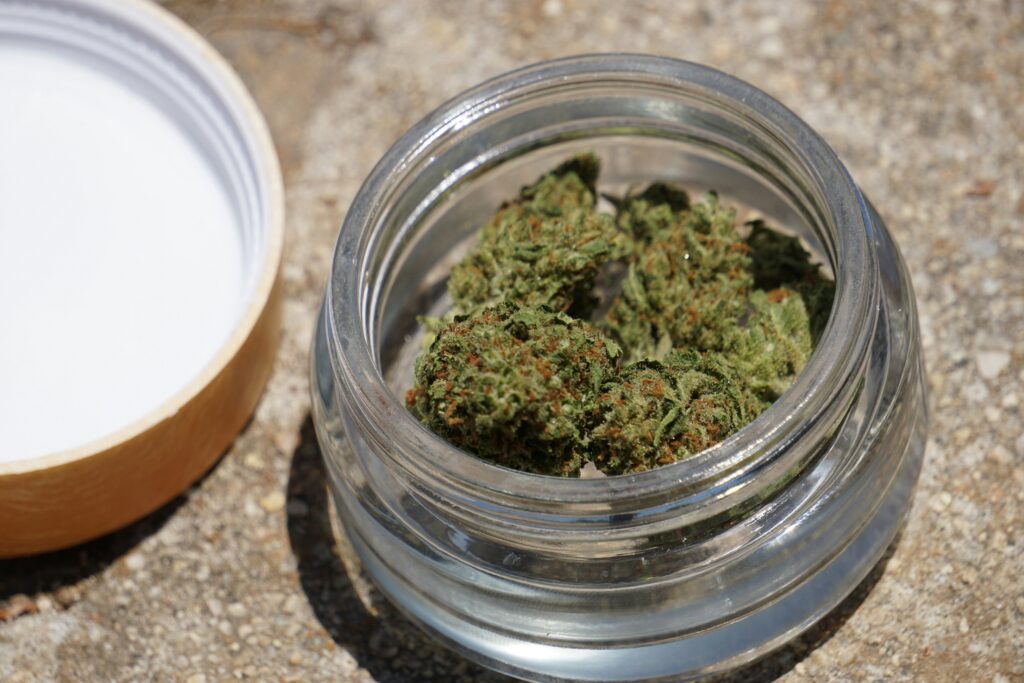
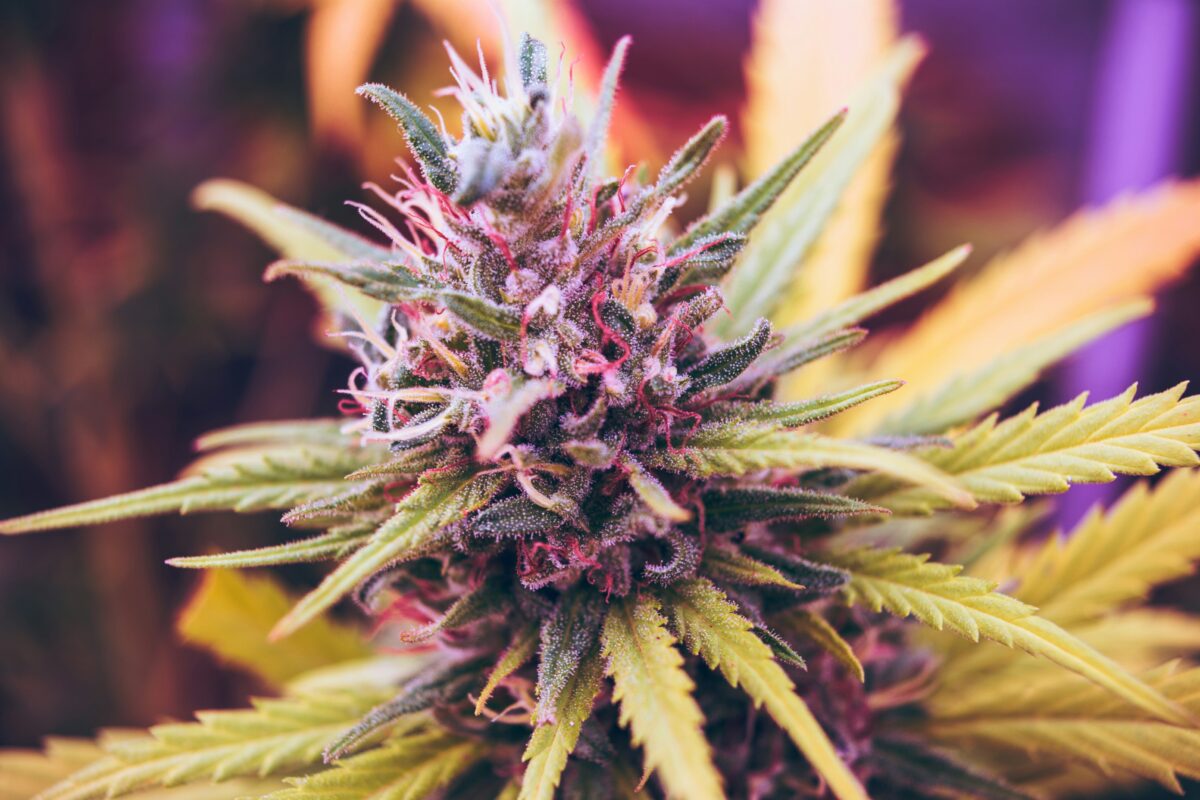
Buds, also known as flowers or nugs, are the most recognizable and sought-after part of the cannabis plant. They are the reproductive organs that contain the highest concentration of cannabinoids and terpenes. While buds vary in size, shape, and color, depending on the strain, premium buds are typically larger, densely packed, and covered in resin glands, giving them a sticky and potent quality.

Popcorn Buds

Popcorn buds are smaller, popcorn-sized versions of the standard cannabis buds. They are often found on the lower branches of the plant and are characterized by their compact size and similar potency to larger buds. While they may not be as visually appealing as their larger counterparts, popcorn buds are a budget-friendly option that still delivers a satisfying cannabis experience.

Shake/Trim

Shake refers to the loose, leafy cannabis material that builds up at the bottom of a cannabis container. It consists of small broken pieces of buds, leaves, and trichomes that have fallen off during handling. Shake is an economical choice and is often used to create pre-rolled joints or added to edibles. While it may not have the visual appeal of whole buds, shake can still contain potent cannabinoids.

Comparison:

Potency: Buds generally have the highest potency, followed by popcorn buds and shake. The concentration of cannabinoids decreases as you move from buds to popcorn buds and then to shake.

Visual Appeal: Buds are visually striking, with their well-defined structure and resinous coating. Popcorn buds are smaller but still resemble traditional buds, while shake consists of loose, fragmented material.

Cost: Buds are typically more expensive due to their higher potency and aesthetic appeal. Popcorn buds offer a balance between cost and quality, while shake is the most budget-friendly option.

Understanding the differences between popcorn, shake, and buds allows cannabis lovers to make informed decisions based on their preferences and budget. Whether you’re looking for a visually appealing experience with premium buds or a more economical option with popcorn buds or shake, the diverse world of cannabis flowers has something for everyone.

If you’d like to learn more about flower and other types of cannabis products, our highly knowledgeable staff at Nature Med is ready to give you the low down on all things cannabis!

Categories
Cannabis Education

History of Cannabis Culture in Missouri

History of Cannabis Culture in Missouri

Early Days of Cannabis
in Missouri

The legacy cannabis market in Missouri has a rich history that dates back several years. Prior to the legalization of medical marijuana in the state, cannabis was largely considered illegal, and individuals caught possessing or selling it could face significant legal consequences. However, attitudes and regulations surrounding cannabis began to shift in Missouri over recent years.

Medical Cannabis Legalization

In November 2018, Missouri voters approved Amendment 2, which legalized medical marijuana for patients with qualifying medical conditions. This marked a significant turning point for the legacy cannabis market in the state, as it created a legal framework for the cultivation, sale, and use of medical cannabis. The amendment established a strict regulatory system overseen by the Missouri Department of Health and Senior Services, which includes licensing for cultivators, dispensaries, and other related businesses.

The legacy cannabis market also saw the emergence of a new industry in Missouri, with numerous entrepreneurs and investors seeking opportunities in the growing medical marijuana sector. This has led to the development of state-of-the-art cultivation facilities, dispensaries, and testing laboratories, creating jobs and generating revenue for the state. Additionally, it has given patients with qualifying conditions access to a range of medical cannabis products, offering potential relief from their symptoms.

Recreational Cannabis Legalization

Following the success of medical cannabis legalization, discussions about adult-use cannabis began to gain traction. Missouri, like many states in the United States, has a rich history when it comes to cannabis. While its journey toward adult-use cannabis legalization is relatively recent, it has seen significant developments in a relatively short time frame. 

The year 2022 was a turning point for cannabis lovers in Missouri. A comprehensive adult-use cannabis legalization bill, Senate Bill 762, was passed by the state legislature and signed into law by the governor. This marked a significant milestone in Missouri’s cannabis history, allowing for the responsible use of cannabis by adults aged 21 and older.

With the passage of Senate Bill 762, the Missouri Department of Health and Senior Services was tasked with establishing the regulatory framework for adult-use cannabis. This process involved licensing dispensaries, cultivators, and manufacturers, as well as setting guidelines for taxation and consumption.

Social Equity in
Missouri Cannabis

One crucial aspect of Missouri’s adult-use cannabis law was the inclusion of social equity provisions. The state aimed to address the historical injustices related to cannabis by offering opportunities for minority-owned businesses and expunging certain cannabis-related criminal records, providing a more equitable path forward.

The cannabis culture in Missouri is constantly growing, and Nature Med Dispensary was lucky enough to be one of the first dispensaries open when recreational use debuted in February 2023. Learn more about us and our connection to medical and recreational cannabis in Missouri by visiting our website.

Categories
Cannabis Education

The Different Types Of Cannabis

Cannabis has a diverse array of strains and compounds, and can be consumed in numerous ways to suit individual preferences and needs. These various consumption methods can significantly impact the overall cannabis experience, offering options that range from the quick onset of inhalation to the long-lasting effects of edibles, or the targeted relief of topicals. Understanding the differences among these methods is crucial for both beginners and experienced users, as it allows for a personalized approach to harnessing the benefits and enjoyment of cannabis.

Ready to dive in? Let’s look at several different methods of cannabis consumption.

Flower:

Smoking cannabis through glass and rolling papers offers distinct experiences due to differences in the methods and materials used. When using glass, typically in the form of a pipe or a bong, the primary advantage lies in the cleaner, cooler, and more controlled inhalation process. Glass devices often include water filtration systems, which help to cool down the smoke and remove some impurities, resulting in a smoother and less harsh hit. Additionally, glass pipes and bongs are durable and reusable, making them a long-term investment.

On the other hand, rolling papers, used for joints or blunts, provide a more traditional and portable way to consume cannabis. Rolling offers a simpler method for beginners and greater convenience for on-the-go use. However, the experience can be harsher, as there is no filtration system, and the smoke can be hotter and more intense. Rolling papers also require more skill to master, as it involves rolling the cannabis flower into a joint or blunt.

Concentrates:

Cannabis concentrates are highly potent extracts of the plant that often boast a clearer and more pronounced terpene profile compared to flower, allowing enthusiasts to savor the distinct aromas and flavors of their favorite strains with heightened clarity and intensity. There are various types of cannabis concentrates, each with its unique production methods and characteristics:

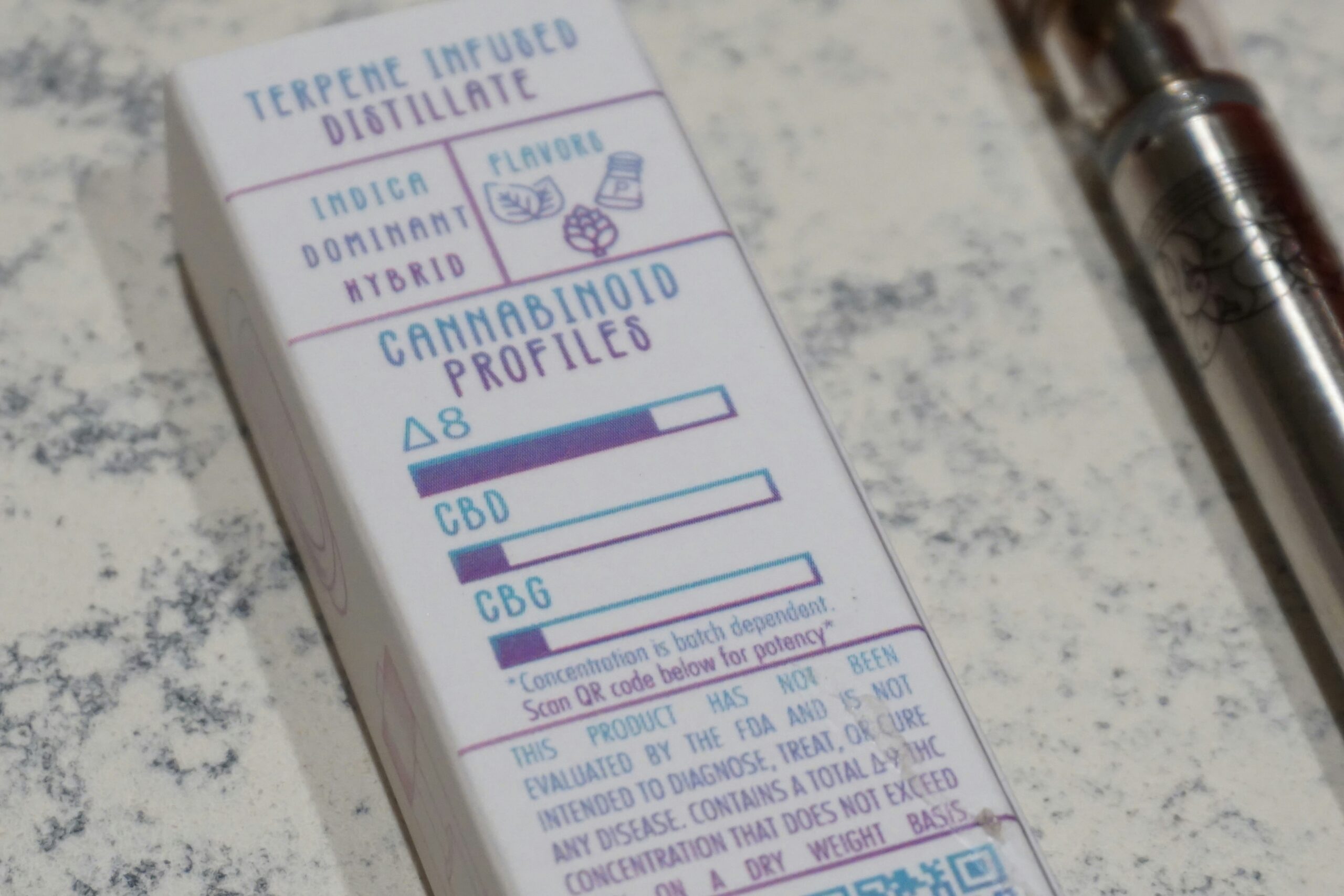
Distillate: Cannabis distillate is a highly refined concentrate with very high THC or CBD levels. It’s produced through a distillation process that removes impurities and unwanted compounds, leaving behind almost pure cannabinoids. Distillate is often used to make edibles, vape cartridges, or tinctures.

Live Resin: Live resin is made from freshly harvested cannabis plants that are frozen before extraction. This process preserves the plant’s terpene profile, resulting in a concentrate with a strong and fresh aroma. Live resin is popular for its robust flavor when vaporized or dabbed.

Rosin: Rosin is a solventless concentrate produced by applying heat and pressure to cannabis flower or hash. It’s considered a cleaner and safer extraction method. Rosin can be enjoyed by dabbing, vaporizing, or adding it to joints.

Vapes:

When it comes to cannabis consumption, THC vapes have gained significant popularity. Patients can enjoy a wide selection of cannabis concentrates, such as THC and CBD vape pods, CO2 oil cartridges, 510-threaded vape tanks, and disposable vape pens, catering to diverse preferences across different vaping devices. The choice between these vape products largely depends on individual preferences and priorities.

510 cartridges offer the most customization and versatility and can accommodate different types of concentrates, such as THC and CBD oil and various flavored distillates, providing users with diverse options for their vaping experience. Pods and disposables are convenient and easy to use with limited customization, and are also compatible with a variety of cannabis concentrates, including THC and CBD vape pods, CO2 oil cartridges, and terpene-infused distillates. Overall, vapes employ several types of concentrates ranging from waxes to distillates, to deliver a wide range of flavors and effects to users.

Edibles:

Cannabis edibles come in various forms and offer many differences in terms of onset time, duration of effects, and overall experience. These differences largely depend on the type of edible, its ingredients, and how it’s metabolized in the body. Traditional baked goods, such as brownies and cookies, often have a slower onset, as they need to be digested before the cannabinoids take effect. This delayed onset can lead to users inadvertently consuming too much, resulting in an intense and long-lasting high. In contrast, gummies, chocolates, and beverages are often made with faster-acting cannabis extracts, like distillates or isolates, which can lead to a more predictable and rapid onset of effects.

The duration of the high also varies; edibles tend to have a longer-lasting impact compared to smoking or vaping cannabis, typically ranging from 4 to 8 hours or more. Moreover, the experience may differ from one edible to another due to variations in cannabinoid content, dosage, and individual tolerance levels. As such, it’s crucial for consumers to be informed about the type of edible they choose and to start with a low dose to avoid unwanted effects.

Other Consumption Methods:

Exploring the world of cannabis-infused wellness, THC salves, tinctures, and bath bombs have emerged as unique and increasingly sought-after products, each offering its own distinctive way to experience the therapeutic potential of THC:

THC Salves: These topical products are infused with THC, the psychoactive component of cannabis, and are designed for external use. When applied to the skin, THC salves interact with the body’s endocannabinoid receptors, potentially providing localized pain relief, reduced inflammation, and muscle relaxation without producing a “high.” They are perfect for targeting sore muscles or soothing skin conditions.

Tinctures: THC tinctures are liquid extracts of cannabis typically infused with alcohol or oil. They are known for their rapid onset and precise dosing. A few drops under the tongue allow for sublingual absorption, offering a quicker and more controlled way to experience the therapeutic effects of THC. Tinctures come in a variety of potencies, making it easy to find the right dosage for your needs.

Bath Bombs: Cannabis-infused bath bombs combine the relaxing properties of a warm bath with the potential benefits of THC and other cannabinoids. When the bath bomb dissolves in the water, the cannabinoids are absorbed through the skin, providing a soothing and calming experience. They are particularly popular for relieving stress, promoting relaxation, and relieving muscle tension.

In the realm of cannabis consumption, the diverse array of methods available reflects the evolving landscape of cannabis culture and science. Whether you opt for the instant gratification of inhalation, the discretion and precision of tinctures, the soothing and localized relief of topicals, or any other method in between, the choices are vast and ever-expanding.

If you’re looking for a wide range of high-quality cannabis products, take a look at our online menu and find what works best for you!