
THCA, THCV, & More: A Guide to Lesser-Known Cannabinoids
Cannabis is rich with hundreds of unique compounds, each with its own potential benefits and effects. While THC and CBD usually take the spotlight, cannabinoids like THCA, THCV, CBG, and CBC are starting to get the recognition they deserve. Understanding what makes these compounds special can help you make smarter, more personalized choices when shopping for cannabis products.
What is THCA?
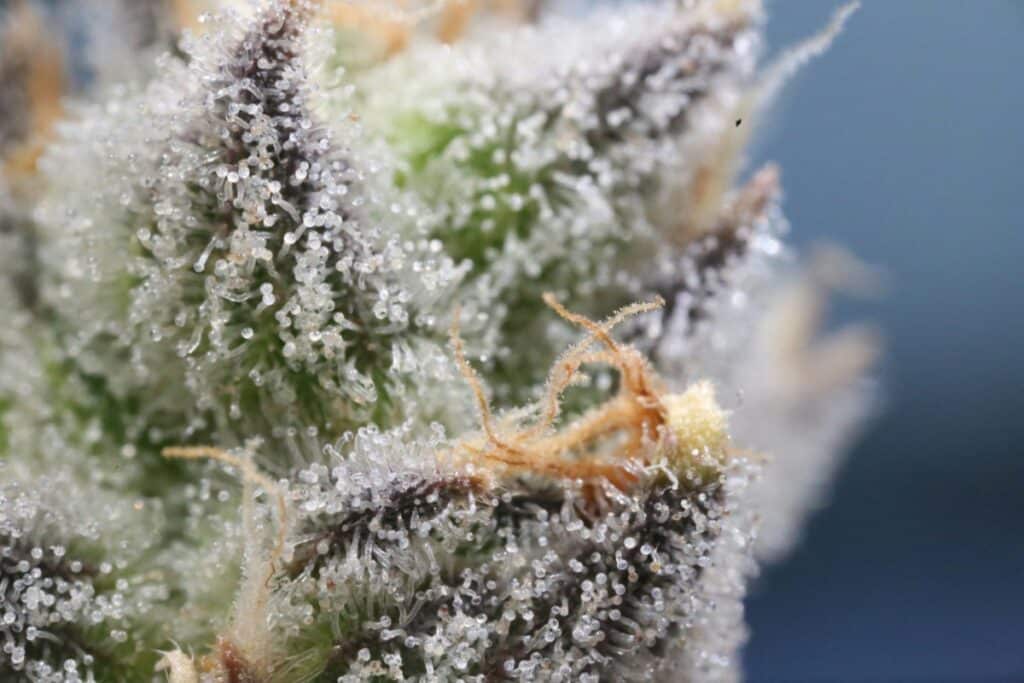
Tetrahydrocannabinolic acid (THCA) is the raw, non-psychoactive form of THC found in freshly harvested cannabis. In its natural state, THCA won’t get you high because it hasn’t undergone decarboxylation, which is the process of applying heat that converts it into active THC. This means raw THCA flower or tinctures are often used by consumers seeking potential benefits like inflammation support or relaxation, without the euphoric effects.
THCA becomes THC when smoked, vaped, or baked into edibles, which is why it’s such a versatile compound. It bridges the gap between “non-psychoactive” and “intoxicating,” depending entirely on how it’s used.
Dispensary THCA vs Hemp THCA
Key Legal and Quality Differences
You may have noticed that THCA is popping up in two different markets: regulated dispensaries and the hemp market. On the surface, both products might look similar, such as high THCA content, nice buds, and maybe even the same strain names. But there’s an important legal and quality distinction.
- Dispensary THCA Flower comes from regulated cannabis plants that are tested for potency, pesticides, heavy metals, and residual solvents. These products are grown and processed under state cannabis programs that require strict safety compliance and accurate labelings.
- Hemp THCA flower is produced from industrial hemp, which is defined federally as cannabis that contains less than 0.3% delta-9 THC before decarboxylation. Once that hemp is heated, its THCA converts into THC, making it effectively just as psychoactive as traditional cannabis, even if the label focuses on “hemp” or “THCA.”
Because hemp THCA products typically do not fall under the same cannabis regulatory frameworks, they may not undergo the same testing standards, and labels can be less reliable.
Why Buy THCA from Licensed Dispensaries?
When you purchase from a licensed dispensary, you’re buying transparency, consistency, and safety. Products are:
- Lab-tested for potency, pesticides, heavy metals, and microbial contamination
- Labeled clearly with cannabinoid and sometimes terpene profiles
- Produced under cultivation and processing standards that help preserve flavor, aroma, and overall quality
In contrast, hemp THCA products are largely unregulated. There have been reports of inaccurate THC percentages, residual solvents, and even synthetic additives. he short-term savings on hemp THCA are rarely worth the risk compared to the guaranteed safety and quality control that come from your local dispensary.

Meet THCV: The “Energy” Cannabinoid
What Makes THCV Different
Tetrahydrocannabivarin (THCV) is another fascinating compound gaining popularity for its energizing and clear-headed effects. Sometimes dubbed the “diet cannabinoid,” because early research suggests it may play a role in appetite regulation and metabolic processes, though it should not be marketed as a weight-loss cure. THCV can feel very different from traditional THC as its often described as more focused, uplifting, and less sedating, which makes it appealing for daytime use, social settings, or creative tasks.
You will typically find THCV:
- In smaller amounts in certain landrace or African sativa strains (like classic Durban Poison-type genetics)
- In specialized vapes, gummies, or tinctures formulated to highlight THCV for focus or daytime balance.
Look for our THCV-forward gummies from Smokiez on our online menu or at your nearest NatureMed location.
A Note on THCV and Regulation
Because THCV can be isolated and sometimes produced or modified through lab processes, some version on the market may be considered synthetic or fall into gray regulatory areas. As hemp laws tighten and certain synthetic or semi-synthetic cannabinoids face increased scrutiny, it is possible that some forms of THCV, especially hemp-derived “THCV” products are not clearly regulated and could be restricted in the future.
Other Cannabinoids Worth Knowing
CBG – The “Mother” Cannabinoid
Cannabigerol (CBG) is often called the “mother cannabinoid” because many other cannabinoids start out as CBG before converting into their final forms as the plant matures. Early research suggests that CBG may support relaxation, focus, and mood without strong intoxication. Many people like CBG during the day for a calm but functional experience, or paired with CBD for a more rounded, non-intoxicating wellness routine.
Use cases people often explore with CBG:
- Daytime stress support
- Focused work or creative projects
- Adding balance to higher-THC strains via blended tinctures or capsules
CBC – Mood and Skin Support
Cannabichromene (CBC) is non-intoxicating and has drawn interest for its potential roles in mood regulation, inflammation, and even topical skincare. CBC is thought to work synergistically with other cannabinoids and terpenes as part of the entourage effect, where multiple compounds together may provide more comprehensive benefits than any single cannabinoid alone.
You might see CBC:
- In tinctures or softgels marketed for mood or balance
- In topical formulas focusing on skin or localized relief
CBN – The Sleep-Linked Cannabinoid
Cannabinol (CBN) forms as THC ages and oxidizes, which is why older cannabis can be higher in CBN. It is mildly psychoactive but is most often associated with rest, relaxation, and nighttime formulas. Many people reach for CBN in combination with other cannabinoids (like THC or CBD) in gummies, tinctures, or capsules designed for bedtime routines.
Common CBN uses:
- Nighttime wind-down
- Pairing with THC or CBD to support deeper rest
- “Sleep gummies” or softgels with labeled CBN content
When to Use Each Cannabinoid
- THCA:
- Best for: Raw, non-intoxicating wellness routines or traditional THC experiences once heated
- When to use: Daytime or nighttime, depending on whether you decarb it (smoking, vaping, or edibles vs raw use)
- THCV:
- Best for: Clear-headed energy, motivation, and social or active settings
- When to use: Daytime or early evening when you want to focus without heavy drowsiness
- CBG:
- Best for: Calm focus, daytime stress management, or stacking with other cannabinoids
- When to use: Morning or workdays when you want balance without feeling slowed down
- CBC:
- Best for: Mood support and topical use for skin or localized comfort
- When to use: Any time of day, often in blended formulas
- CBN:
- Best for: Nighttime routines and helping the body and mind shift into rest mode
- When to use: Evenings, about an hour before bed, in low and consistent doses

The Future of Cannabinoid Awareness
As more people learn about cannabinoids beyond THC and CBD, cannabis shopping is becoming more personalized, intentional, and education-driven. THCA and THCV are just the beginning; the full potential of the plant is still being explored, and new cannabinoid formulations and blends continue to emerge.
By supporting licensed dispensaries, you are not only choosing safe, tested products, you are also helping fund the legal, regulated market that invests in research, quality control, and innovation for patients and consumers.
At NatureMed, we are proud to offer lab-tested THCA, THCV, CBG, CBC, CBN, and other rare-cannabinoid products you can trust. Stop by any of our locations or explore our online menu to discover which cannabinoids fit your lifestyle best, whether you are seeking focus, balance, or deep relaxation.
Related
